
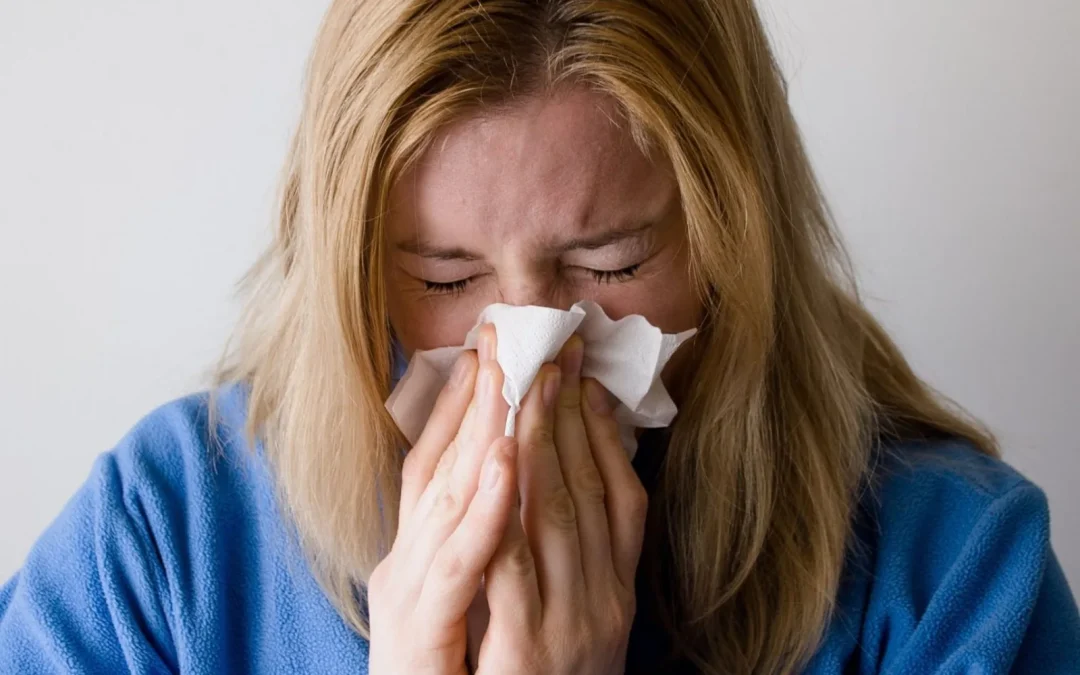
As outdoor allergy season winds down, you naturally expect relief from persistent sneezing, itchy eyes, and nasal congestion. However, it can be frustrating when these allergy symptoms refuse to let up even when pollen counts drop, leaving you wondering why your reactions continue.
Indoor allergens such as dust mites, mold, and pet proteins can cause symptoms year-round. Chemical fumes and smoke can also irritate your airways, even though they are not usually allergens.
Finding lasting relief starts with improving your indoor air quality and eliminating triggers at the source. Combining practical cleaning routines with timely medical evaluations helps you target these hidden sources and treat symptoms, improving your quality of life.
Why Poor Indoor Air Quality Causes Year-Round Symptoms
Indoor allergens can be present in any season. Their levels vary with humidity, ventilation, pets, and other conditions in your home.
Everyday movements, such as sitting on a couch, fluffing a pillow, or walking across a rug, constantly disturb these particles. By doing so, they are reintroduced right back into the air you breathe.
Poor ventilation and indoor climate further compound the issue. High humidity and warm temperatures allow dust mites and mold to multiply rapidly. These conditions create a continuous cycle of airborne triggers that remain trapped inside your home.
Recognizing Indoor Allergy Symptoms
Allergies and respiratory infections can cause similar symptoms. Persistent itching, sneezing, and symptoms linked to a particular exposure suggest allergy, but duration alone cannot establish the cause.
Typical indoor allergy symptoms include:
- Persistent sneezing and nasal congestion
- Thin, clear nasal discharge
- Itchy, red, or watery eyes
- Postnasal drip and throat irritation
- Coughing or wheezing
Symptoms involving wheezing, chest tightness, or shortness of breath may suggest lower airway involvement. Comparing asthma vs. allergies and consulting with a primary healthcare provider will help determine whether symptoms are caused by allergic asthma.
Common Indoor Allergen Sources and How to Reduce Them
Indoor triggers vary widely, ranging from microscopic biological organisms to everyday chemical compounds. Pinpointing the specific culprits in your home allows you to tailor environmental controls for far more targeted allergy prevention.
Effective environmental management involves removing active allergen sources and improving indoor airflow. Combining these targeted interventions gives you a clear strategy on how to reduce indoor allergens and restore healthy indoor air quality.
Dust Mites
Dust mites are microscopic organisms that feed on shed human skin cells and settle deep inside mattresses, pillows, carpets, and upholstered furniture. Because dust mites settle deep inside mattress fibers and furniture padding, where surface dusting cannot reach, physical barriers and high-heat laundering are essential to break their life cycle.
To reduce exposure to dust mites:
- Encase mattresses, box springs, and pillows in zippered allergen-proof covers.
- Wash bedding weekly and dry thoroughly, following fabric-care instructions. Hot washing can kill dust mites, but avoid scalding hazards and do not raise household water-heater settings for this purpose.
- Vacuum carpets and upholstered furniture weekly using a certified HEPA-filter vacuum.
- Maintain indoor relative humidity between 30% and 50% using air conditioning or a dehumidifier.
Mold Spores
Mold thrives in damp environments, including under sinks, around shower tiles, in basements, and in houseplant soil. Once dampness sets in, mold spores can germinate in as little as 24 to 48 hours, releasing airborne irritants into your home. Controlling moisture is the absolute key to halting its growth.
Here’s how to reduce exposure to mold spores:
- Repair plumbing leaks promptly.
- Operate bathroom exhaust fans during showers and for 20 minutes afterward.
- Run a dehumidifier in basements or naturally damp spaces.
- Fix moisture problems as well as removing mold. Use appropriate protection for small cleanups; get professional advice for extensive mold or contaminated water. People with asthma or immune problems should avoid mold cleanup.
Pet Dander
Composed of microscopic proteins from animal skin, saliva, and urine, pet dander is extraordinarily light and sticky. These tiny particles float through air currents and cling easily to walls, clothing, and furniture, often hitchhiking into rooms where pets aren’t even allowed.
You can reduce exposure to dander by:
- Keeping pets out of sleeping areas and off upholstered furniture to create dedicated pet-free zones.
- Bathing pets regularly to lower dander shedding.
- Using a properly sized HEPA air cleaner and an HVAC filter compatible with your system. Do not cover vents with improvised dense filters that restrict airflow.
Allergens from Cockroaches and Pests
Beyond carrying disease, common household pests leave behind potent allergen proteins in their droppings, shed exoskeletons, and saliva. These airborne triggers are especially prevalent in urban areas and warmer climates, making targeted pest control a crucial part of allergen management.
To reduce exposure, you need to:
- Store food in sealed containers and dispose of garbage daily.
- Use enclosed bait traps to get rid of pests rather than aerosol chemical sprays that further irritate sensitive airways.
- Hire reliable pest control services for severe infestations or routine preventive care.
Household Irritants
Fragrances, harsh cleaning fumes, air fresheners, and tobacco smoke can irritate the nose and lungs and trigger asthma symptoms. Choose low-irritant products, ventilate safely, and never mix cleaning chemicals.
Here are some tips on how to reduce exposure to household irritants:
- Switch to fragrance-free cleaning products and laundry detergents.
- Keep indoor spaces completely smoke-free.
- Use kitchen exhaust hoods while cooking to remove airborne particles and volatile fumes.
Daily Habits for Cleaner Air
Consistent home maintenance prevents microscopic debris from accumulating in high-traffic areas. Establishing simple cleaning routines keeps airborne particle levels low throughout every season.
Decluttering Fabric Surfaces
Decorative accent items, such as extra throw pillows, heavy drapes, and plush decor, can trap airborne proteins and act as reservoirs for environmental dust. Removing non-essential textiles helps prevent dust from settling deep within your daily living areas.
Upgrading Air Filtration
Check HVAC filters regularly and replace them according to the manufacturer’s guidance and how dirty they become. Use the highest-efficiency filter your system supports without restricting airflow. A portable HEPA air cleaner may reduce airborne particles, but cannot replace cleaning and source control.
When to Seek Medical Care for Allergies
The home controls described in this guide can help you manage exposure to allergens. However, clinical evaluation becomes necessary when your allergy symptoms persist despite taking every precaution.
Consider visiting urgent care for allergies if:
- Symptoms continue for more than two weeks without improvement.
- Congestion or coughing disrupts sleep and daily routines.
- You develop wheezing, chest tightness, or shortness of breath. Severe breathing trouble, blue or gray lips, or symptoms not relieved by prescribed rescue medicine require emergency help.
- Symptoms occur alongside fever or facial pressure, which can signal a secondary sinus infection.
- Over-the-counter allergy medications fail to control symptoms.
Get Relief at Urgent Care Clinic of Lincoln
When home management and over-the-counter medications do not provide adequate relief, clinical evaluations and diagnostic testing can help you identify specific triggers.
Urgent Care Clinic of Lincoln offers asthma evaluation and treatment, including spirometry before and after a bronchodilator. We can assess possible triggers and refer for allergy skin or blood testing when needed.
Don’t let indoor allergens disrupt your life any longer. Call 402-488-4321 or contact us online to learn more.