
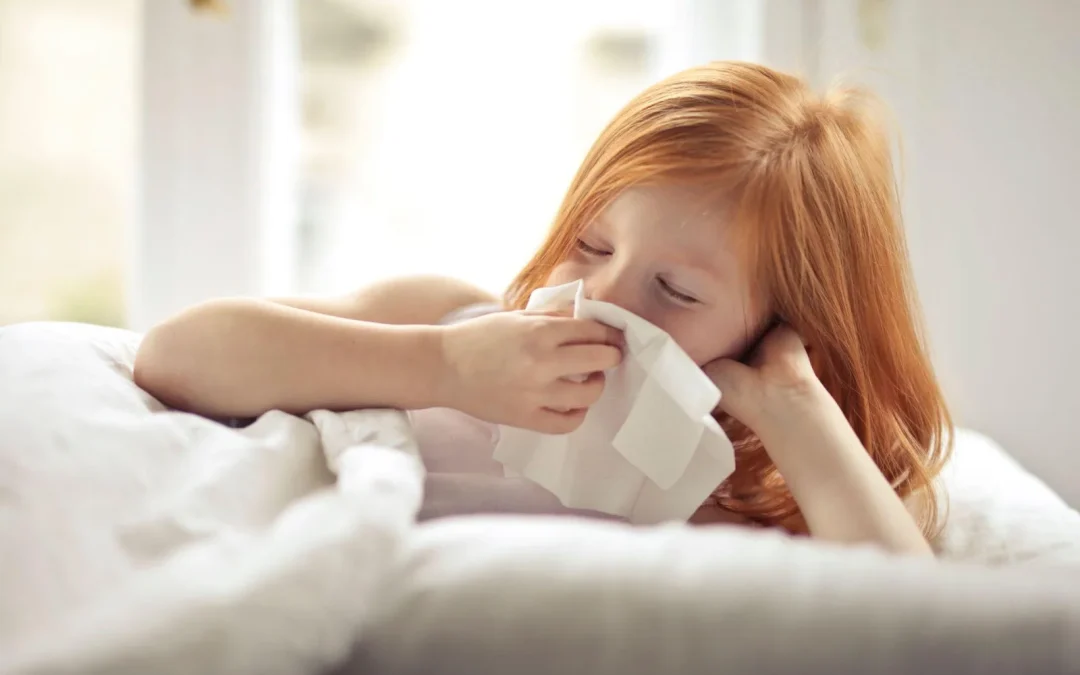
As summer fades and the leaves start to turn, many people find themselves sneezing, sniffling, and rubbing itchy eyes. If your symptoms flare up every autumn, you may have fall allergies. Here’s what causes them and what you can do to feel better.
What causes fall allergies?
Fall allergies are a type of “allergic rhinitis,” sometimes called hay fever. They happen when your immune system overreacts to tiny particles in the air. The two biggest culprits in autumn are:
- Ragweed pollen. This is the main trigger of fall allergies. A single ragweed plant can release a huge amount of pollen, and it can travel long distances on the wind. Other weeds can contribute too.
- Mold spores. Molds grow on damp leaves, compost, and piles of vegetation. Raking leaves or spending time outdoors on damp days can stir up mold spores into the air.
Indoor triggers such as dust mites and pet dander can also worsen symptoms as people spend more time inside when the weather cools.
Pollen seasons have become longer and more intense in many areas as the climate warms. A North American study covering 1990–2018 found these trends, although the timing and amount of pollen vary by location and year.
Common symptoms
Fall allergies typically cause:
- Sneezing
- Runny nose or nasal congestion (stuffiness)
- Itchy, watery eyes
- Itching of the nose, throat, or eyes
- Postnasal drip (mucus dripping down the back of the throat), which can trigger a cough
Allergy symptoms are not caused by a virus, so they don’t come with a fever, and they tend to last for weeks and follow the same pattern each year. If you’re unsure whether it’s a cold or allergies, the itchiness (especially of the eyes) and the timing each fall are good clues pointing to allergies.
How to reduce your exposure
Avoiding your triggers is the first and most effective step. Practical measures include:
- Check local pollen counts or forecasts and air-quality reports. Pollen.com provides pollen information; AirNow.gov reports air quality, such as smoke and ozone, rather than pollen counts.
- Keep windows closed at home and in the car during high-pollen days, and use air conditioning instead.
- Limit exposure when local pollen levels are high, especially on dry, windy days. Peak times vary by plant, location, and weather.
- Shower and change clothes after being outside to wash pollen off your hair and skin, and avoid drying laundry outdoors where it can collect pollen.
- Wear a mask and sunglasses when doing yard work like raking leaves or mowing, which can kick up pollen and mold.
- Use a HEPA air filter indoors and keep indoor humidity between 30% and 50% to limit mold and dust mites.
Treatments that work
Many effective allergy medications are available over the counter, so you can often start treatment on your own:
- Newer antihistamines such as cetirizine, loratadine, levocetirizine, and fexofenadine relieve sneezing, itching, and runny nose. They tend to cause less drowsiness than older medicines, but some still cause sleepiness. Check the label before driving.
- Steroid nasal sprays such as fluticasone, triamcinolone, budesonide, and mometasone are the single most effective treatment for nasal symptoms, especially congestion. They work best when used daily, and it can take a few days to a couple of weeks to feel the full effect. If you know your allergies hit every fall, starting a nasal spray a few days before your season begins helps.
- Antihistamine nasal sprays (azelastine, olopatadine) are another effective option and can be combined with a steroid spray for tougher symptoms.
- Saline (saltwater) nasal rinses can help flush out allergens. If you use a neti pot or similar device, use only distilled, sterile, or previously boiled and cooled water—never straight tap water.
- Eye drops for allergies can relieve itchy, watery eyes.
- Decongestants may briefly relieve stuffiness. Limit decongestant nasal sprays to 3 days to avoid rebound congestion. Ask a clinician or pharmacist first if you have high blood pressure, heart disease, glaucoma, urinary problems, or are pregnant.
When to see a doctor
Consider seeing your healthcare provider if:
- Over-the-counter medications aren’t controlling your symptoms.
- Symptoms are interfering with sleep, work, or daily life.
- You also have asthma, frequent sinus infections, or ear problems, since allergies can make these worse.
UCCL can evaluate and treat allergy symptoms and refer for allergy skin or blood testing when needed. An allergist can discuss immunotherapy for persistent symptoms. New wheezing needs assessment; severe breathing trouble requires emergency care.
Finding Relief
Fall allergies are common and very treatable. A combination of avoiding your triggers and using proven over-the-counter medications relieves symptoms for most people. If those steps aren’t enough, your doctor has additional options to help you breathe easier through the season.